 Basics
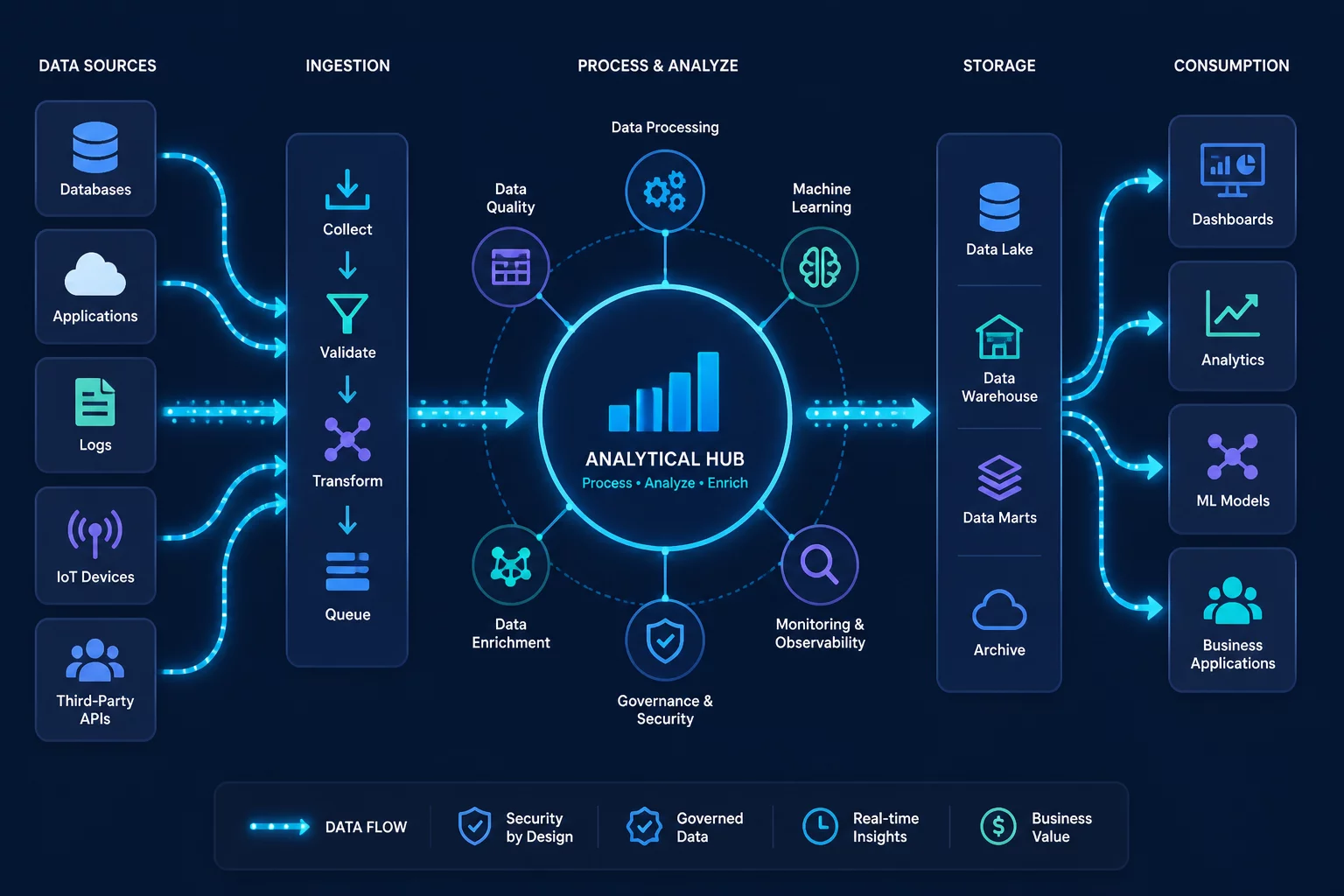
Understanding Query Intent
Introduction to the concept of query intent and why it matters more than syntax.
Read Guide Basics
Define the Question Before the Query
How to translate a vague business request into a precise analytical question.
Read Guide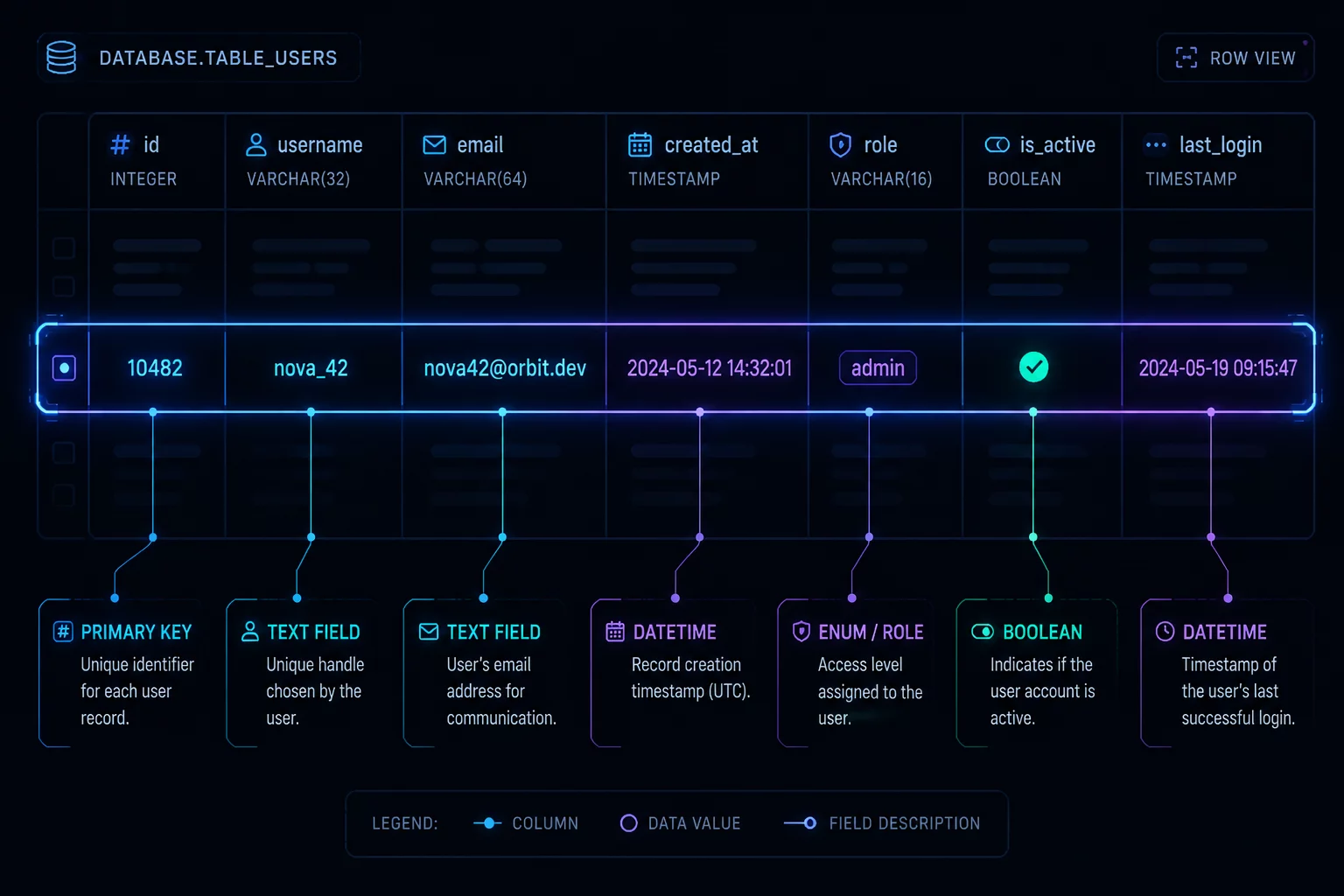 Basics
What Should One Result Row Mean?
Establishing row granularity before writing any joins or aggregations.
Read Guide Cases
Cases
Join Assumptions Review
Reviewing the assumptions made when joining multiple source tables.
Read Guide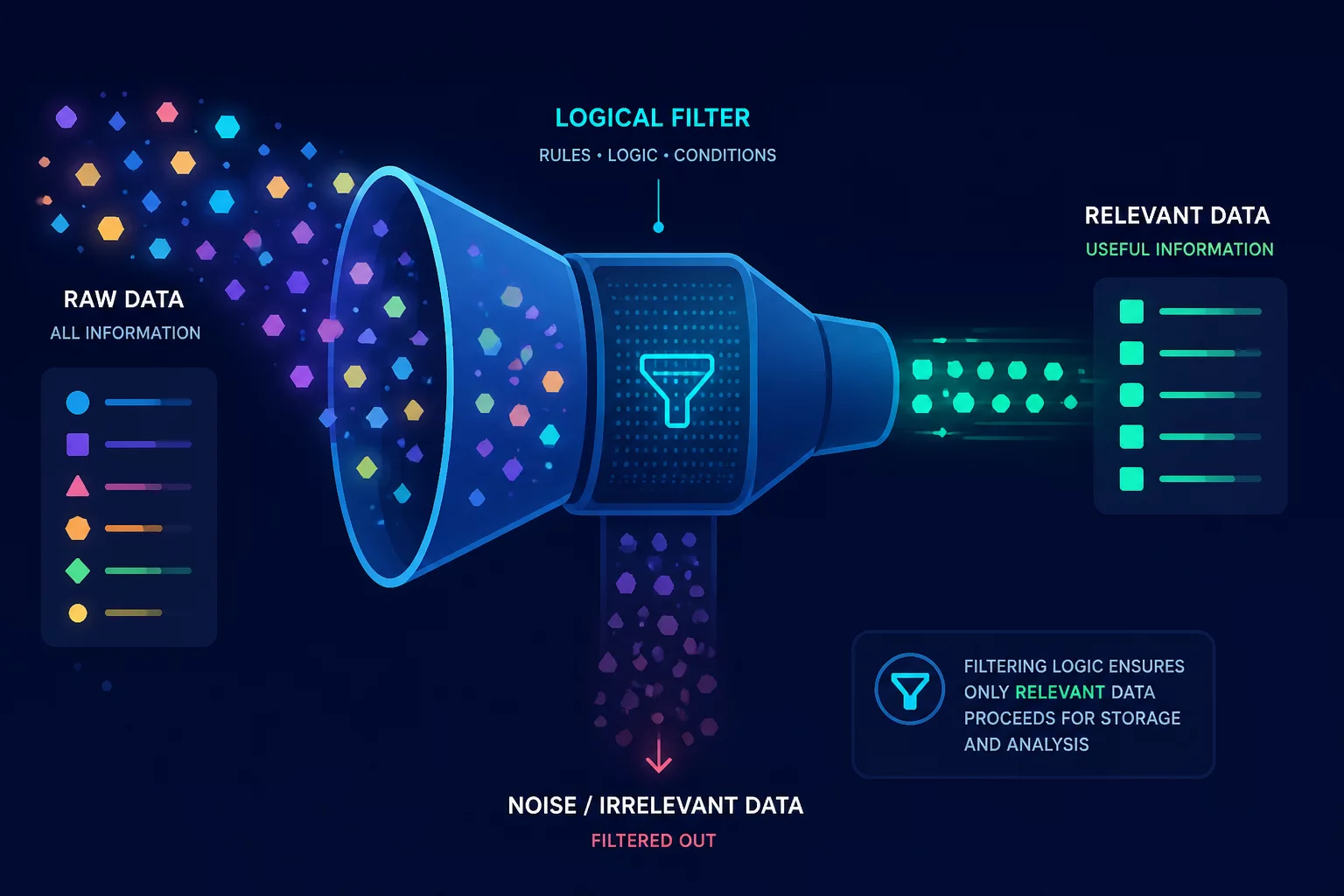 Cases
Cases
Filters That Change the Business Question
Understanding how WHERE clauses can inadvertently alter the core business question.
Read Guide Basics
Duplicate Rows and Hidden Meaning
Identifying the root causes of duplicate rows and what they mean for data integrity.
Read Guide Cases
Cases
Aggregation Review Questions
Key questions to ask when reviewing SUM, AVG, and COUNT logic.
Read Guide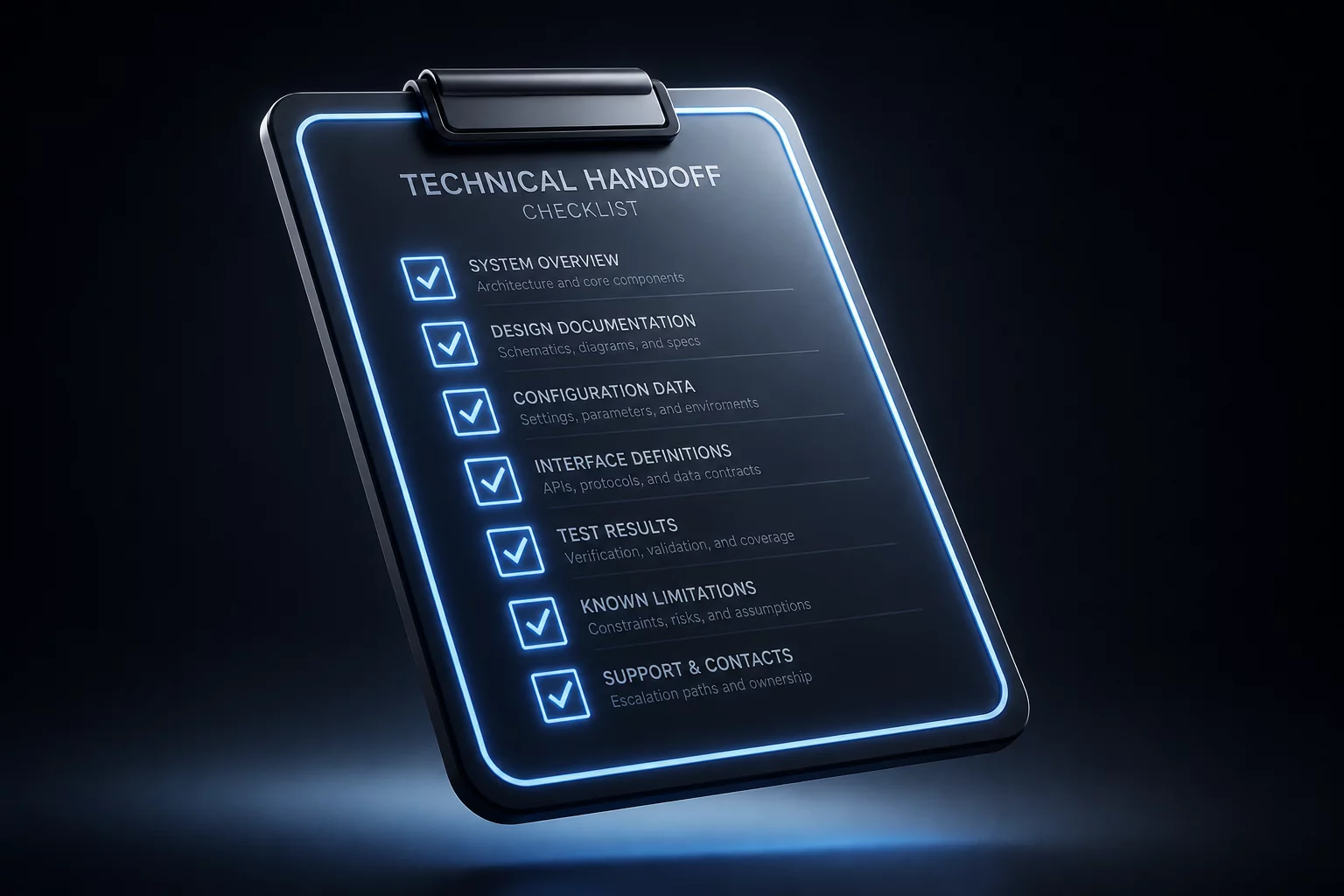 Basics
Query Handoff Checklist
A comprehensive checklist for handing off queries to other engineers.
Read Guide Cases
Cases
Handling Missing Data Meaning
Interpreting NULLs and missing records in the context of the business question.
Read Guide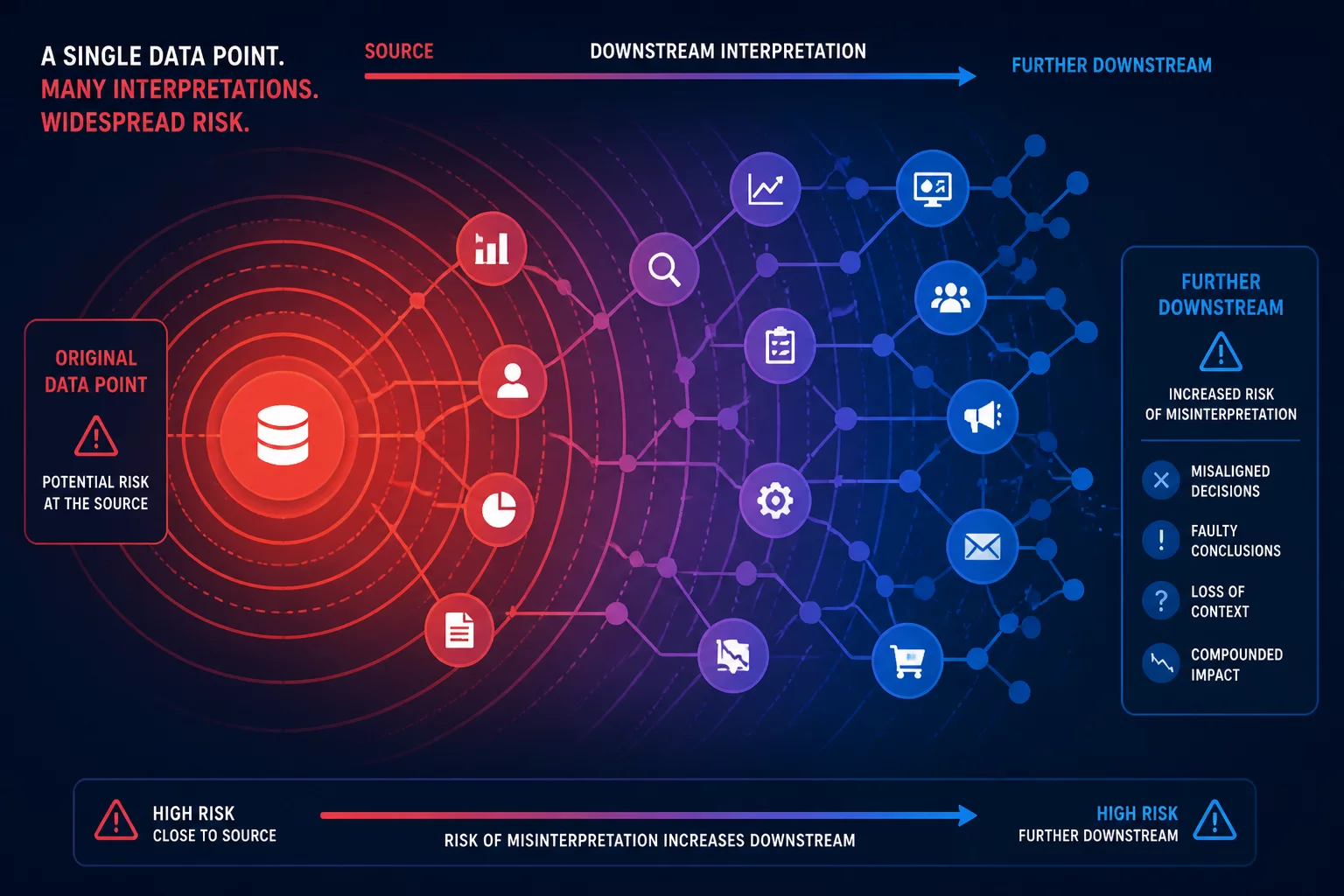 Cases
Cases
Downstream Interpretation Risks
Mitigating risks when results are interpreted by downstream stakeholders.
Read Guide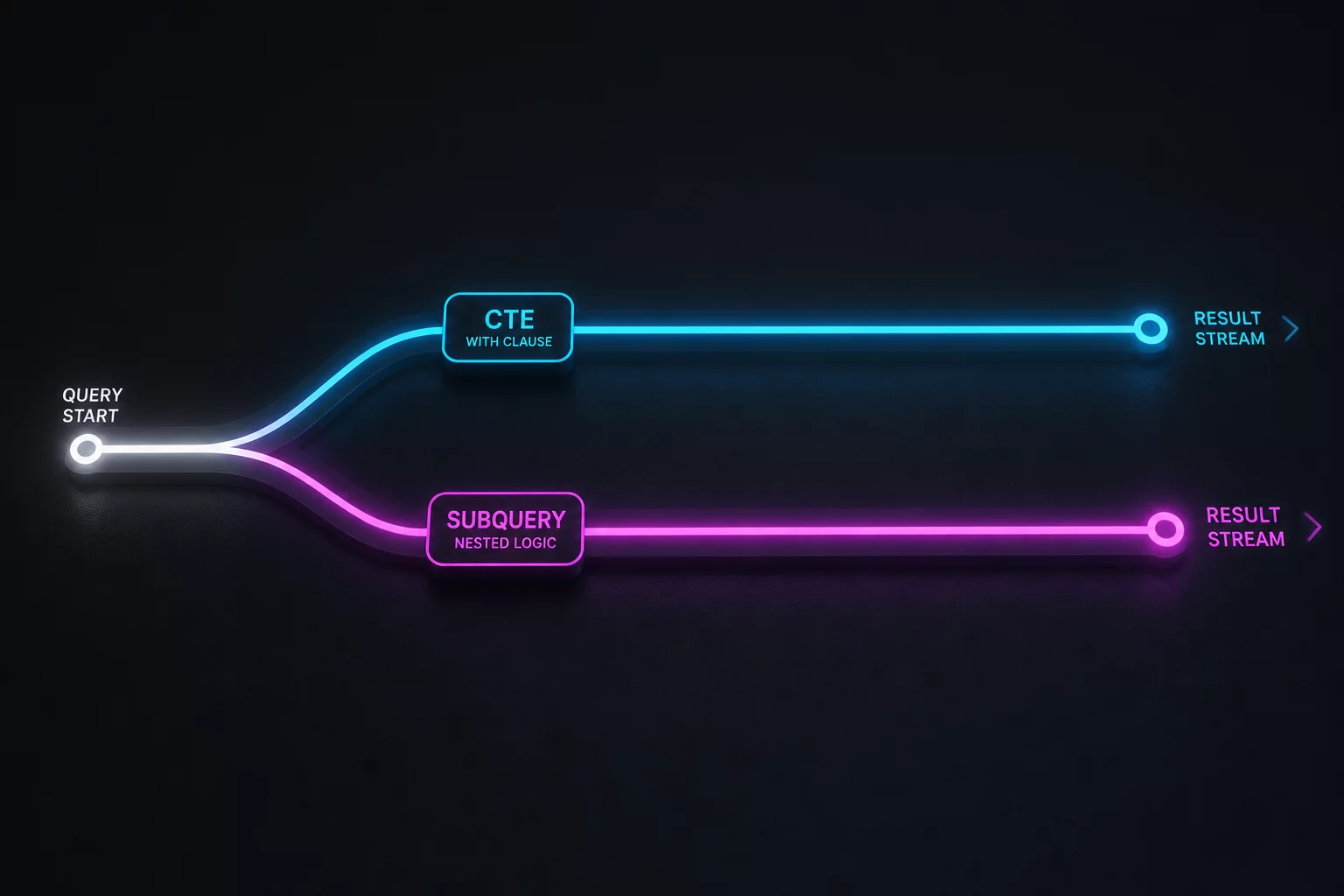 Basics
Subquery vs CTE Intent
Analyzing the intent differences between using subqueries versus common table expressions.
Read Guide Cases
Cases
No items found
Try adjusting your filters or search keywords.