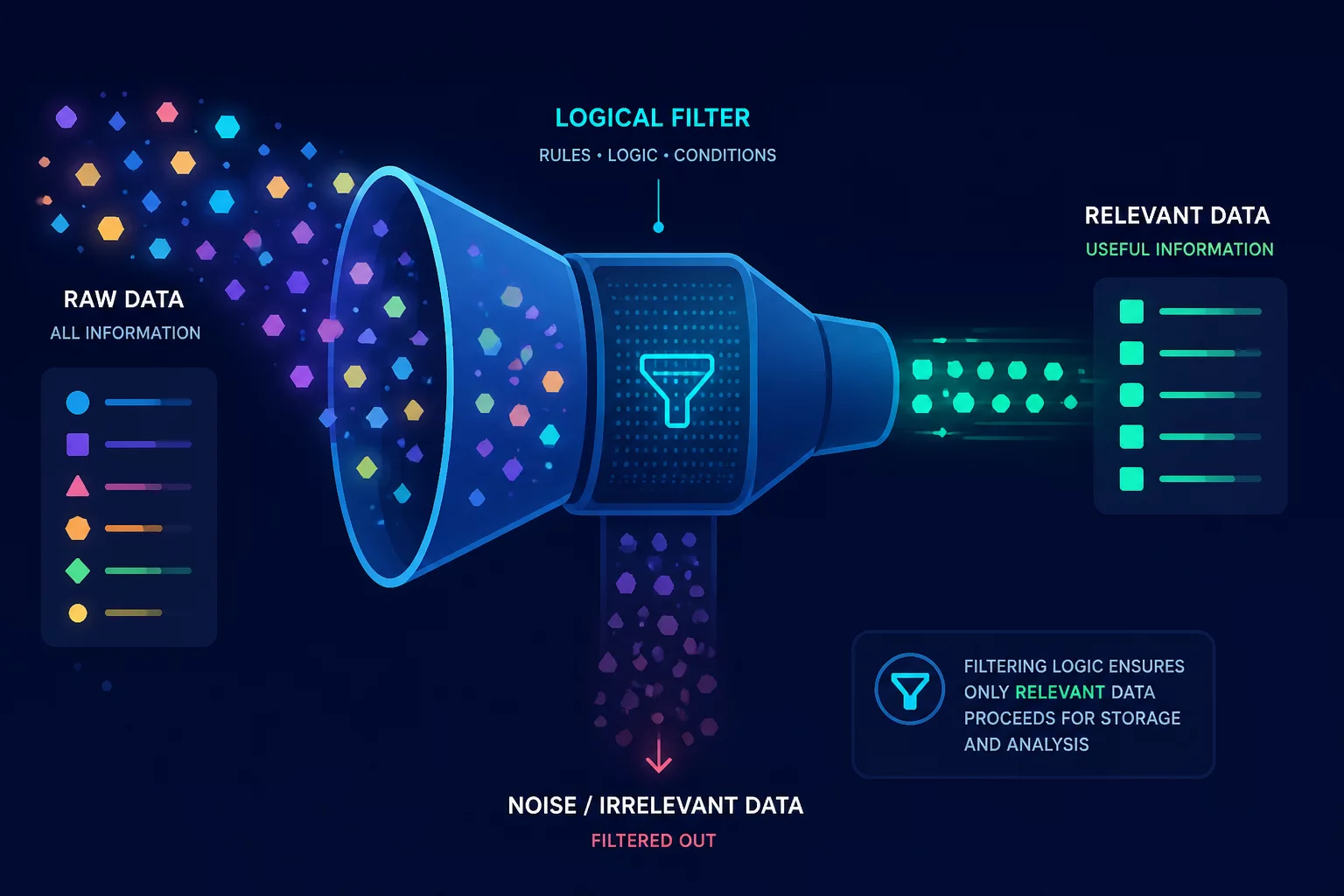
Core Problem & SQL Analysis
When designing SQL queries, adding a WHERE clause seems like a straightforward way to restrict data. However, filters often do more than limit rows; they can completely redefine the underlying business question. For example, a query intended to calculate 'average order value' might include a filter like WHERE status = 'Completed'. While this excludes pending or cancelled orders, it shifts the business question from 'What is the average order value across all customer attempts?' to 'What is the average order value for successful transactions only?'. While this seems subtle, the discrepancy between these two questions can lead to severe business misinterpretations. Downstream stakeholders looking at a dashboard might assume the figure represents all checkouts, masking a high checkout abandonment rate. In database engineering, every filter acts as an implicit modifier of the query's core intent. If a database engineer doesn't document these assumptions, the resulting metrics are easily misinterpreted by product managers and executive teams.
Why This Query Intent Fails
Often in production data environments, developers default to simple joins without reviewing the row multiplicity. When duplicate keys exist or table joins do not represent direct dependencies, metrics like revenue and active user count become inflated.
Key Takeaway
Always verify the primary keys of joined datasets and execute aggregate checks before using nested layouts. Improperly scoped aggregation levels will distort downstream BI dashboard reports.
Discussion & Reviews
No Comments Yet
This could be your first comment. Share your thoughts on query filters!
Leave a Comment