Core Problem & SQL Analysis
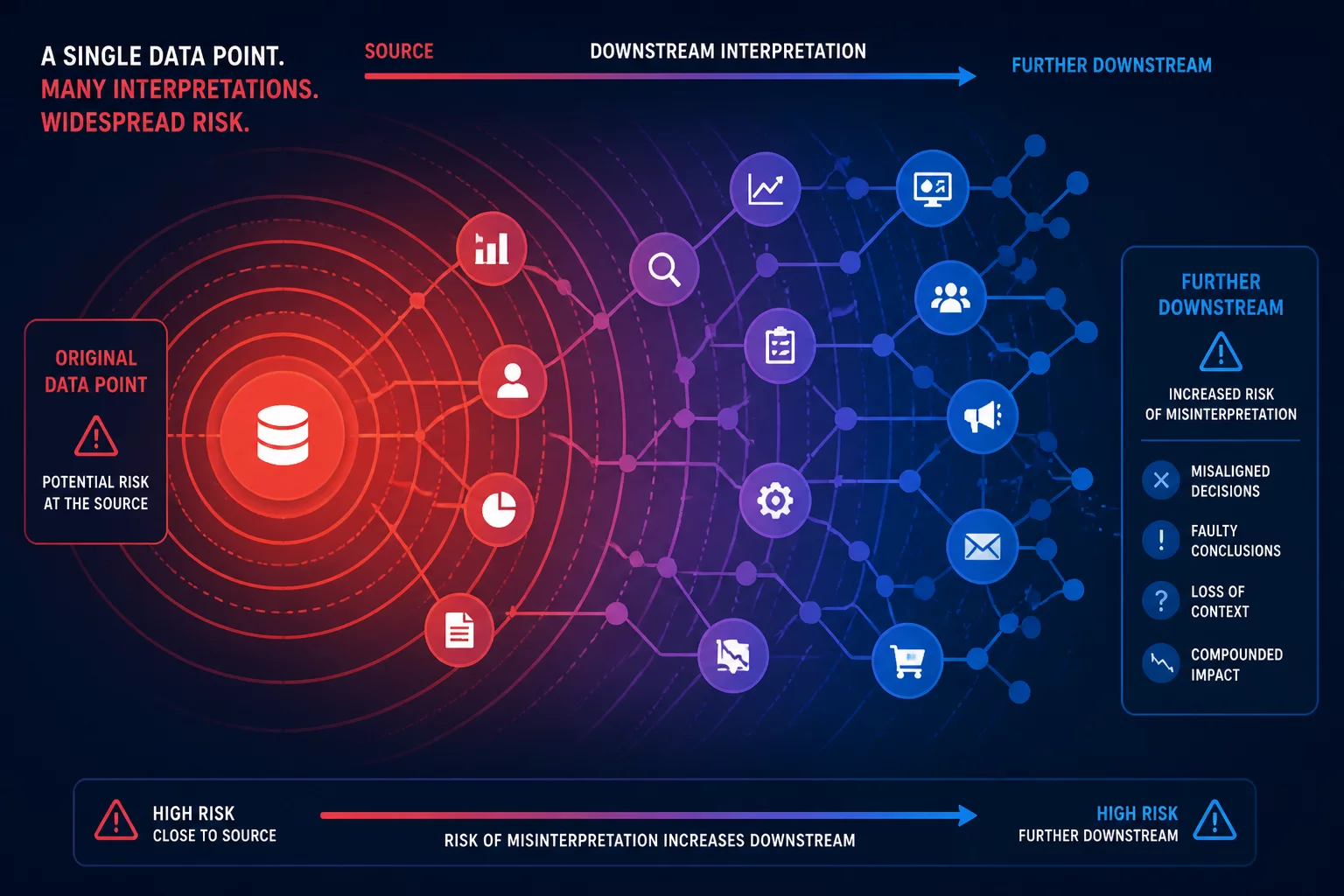
Downstream interpretation risks represent one of the most persistent failure modes in enterprise data pipelines. When database engineers write SQL queries, they do so with a specific set of assumptions about schema relationships, status flags, and table granularity. However, once the query output is loaded into BI tools or dashboards, business stakeholders often interpret the metrics based on their own colloquial definitions. For instance, a query returning 'registered users' might be labeled as 'active customers' in a report, leading to incorrect strategic planning. To mitigate these risks, developers must ensure that the query intent is clearly documented, row grain is explicit, and column names are descriptive. Translating a business requirement into SQL is only half the battle; ensuring that downstream consumers do not misinterpret the results is crucial for data integrity.
Why This Query Intent Fails
Often in production data environments, developers default to simple joins without reviewing the row multiplicity. When duplicate keys exist or table joins do not represent direct dependencies, metrics like revenue and active user count become inflated.
Key Takeaway
Always verify the primary keys of joined datasets and execute aggregate checks before using nested layouts. Improperly scoped aggregation levels will distort downstream BI dashboard reports.
Discussion & Reviews
This could be your first comment
Be the first to share your thoughts on this optimization case!
Leave a Comment