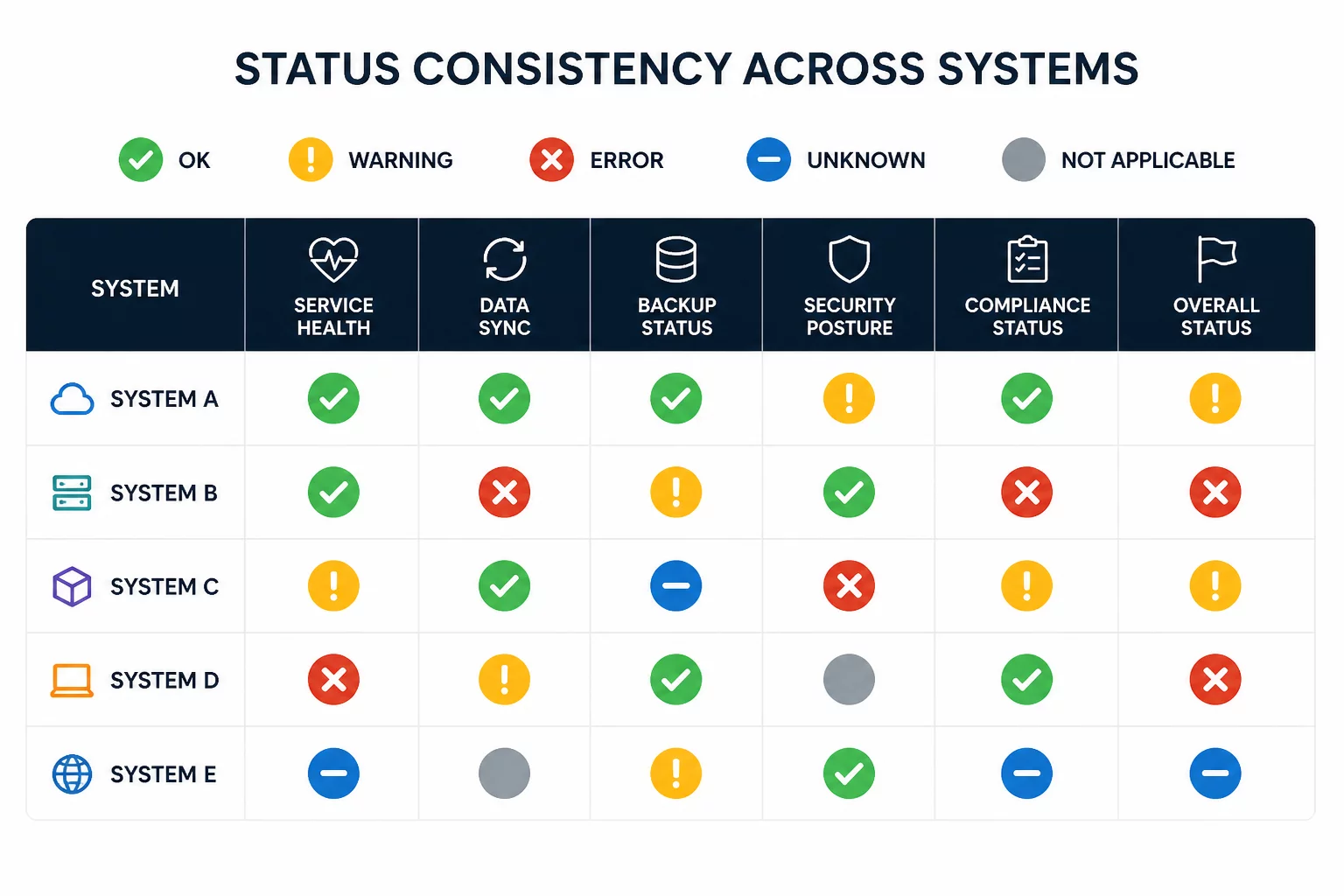
Core Problem & SQL Analysis
In relational databases, different tables often maintain separate status flags. For example, a user account might be 'Active' while their corresponding subscription is 'Cancelled' or 'Pending'. When analysts join these tables to calculate metrics like 'Active Subscription Revenue', they frequently query without explicitly aligning these flags. This creates a silent logical conflict where the result set counts users as active subscription holders when their status indicates otherwise. Ensuring precise query intent requires verifying each status flag and explicitly defining the business logic rules in the join and where clauses.
Why This Query Intent Fails
Often in production data environments, developers default to simple joins without reviewing the row multiplicity. When duplicate keys exist or table joins do not represent direct dependencies, metrics like revenue and active user count become inflated.
Key Takeaway
Always verify the primary keys of joined datasets and execute aggregate checks before using nested layouts. Improperly scoped aggregation levels will distort downstream BI dashboard reports.
Discussion & Reviews
No Comments Yet
This could be your first comment. Be the first to share your thoughts on this optimization case!
Leave a Comment